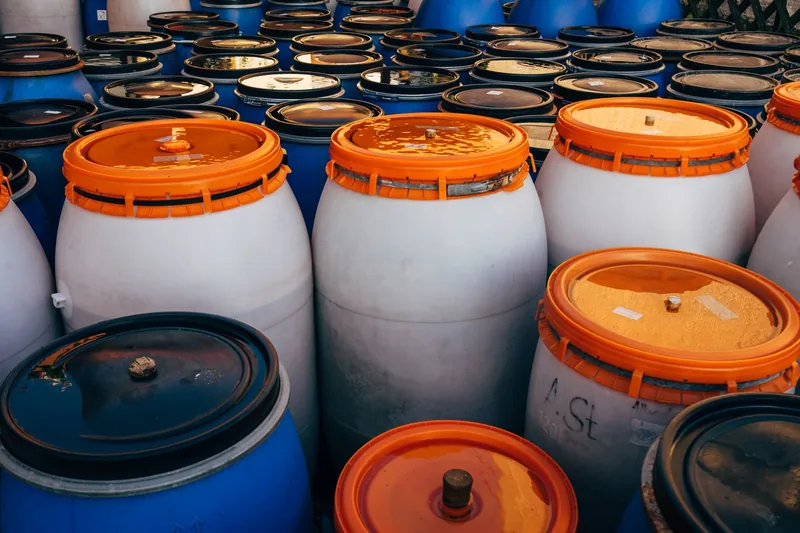
Hazmat Cleanup
Hazmat cleanup uses suitable protective equipment when addressing hazardous materials.
See hazmat cleanupGet help with chemical spills, toxic residue, damaged containers and contaminated materials in Newberry Heights. The substance is identified before the cleanup method, packaging and waste route are chosen.

Chemical and toxic waste cleanup uses controlled methods to remove product spills, leftover residue, compromised containers and contaminated materials. It then covers surface cleaning and correct disposal of the waste.
Finding the identity of the substance is where cleanup starts. Emergency responder reports, shipping records, safety data sheets or labels can help establish what is there. This matters because two materials may react even when a cleanup method is safe for one of them. Do not mix cleaners with powders or liquids you cannot identify. You also should not touch them or smell them at close range. The hazards associated with the identified chemical must guide the complete process.
Homes and garages may need chemical cleaning services, as may rental properties, cars, workshops, warehouses and commercial spaces. The work defines both the contaminated zone and nearby space, selects suitable protective equipment, prevents residue from traveling and sorts items that can be cleaned from waste requiring hazardous disposal. If bodily fluids, animal waste or another biohazard is found, the appropriate team treats that contamination through a separate biohazard remediation process.
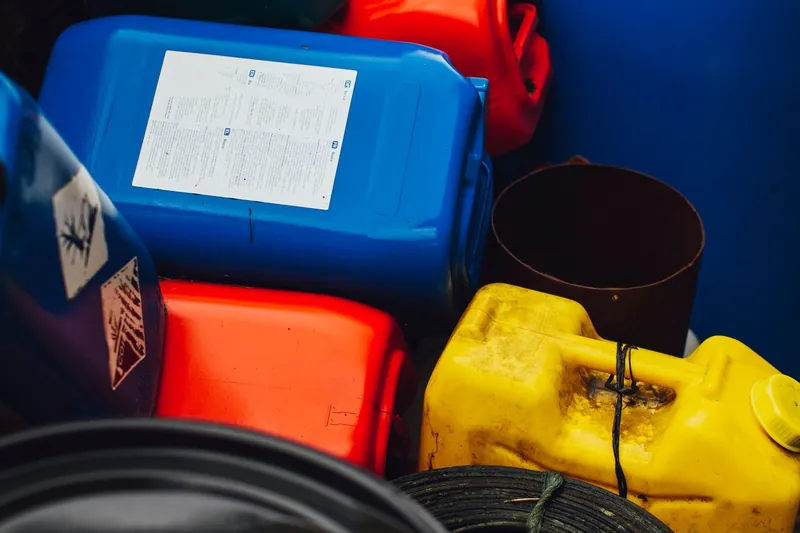
Items are separated by surface and exposure. Personal property is not treated with a one-method-fits-all chemical that could create more damage.
Property owners and other responsible parties can receive arranged waste documents, photographs and cleanup scope details, as can insurance companies. The paperwork may clarify for restoration services what was taken away before repair work starts.
Daytime and nighttime calls are answered, with arriving crews using discreet, unmarked vehicles. Before anyone plans entry, you can describe the substance, location and urgent concern.
The known material, remaining unknowns and purpose of proposed removal, containment and cleaning steps are explained to you before the job advances.
Professional cleanup is appropriate when the material is unknown, the label warns against ordinary disposal, fumes or reactions are possible, or contamination reached more than a small cleanable surface. Every situation needs a plan based on the material and affected surfaces. Common situations include:
A cautious assessment of unidentified liquid, powder or staining comes before decisions about protective gear and cleaning. When material may involve illegal activity, act according to law enforcement instructions.
Pool and workshop products, pesticides, cleaners or fuel can leak onto floors, into cabinets and around nearby belongings.
Some properties contain chemicals alongside bodily fluids, feces, urine, needles or animal waste, so each hazard needs its own safe cleaning process.
A spill in a trunk or passenger area can soak carpet, padding, trim and cargo, creating both residue and persistent odor.
Start by staying out of contact with the material and preventing anyone from tracking it elsewhere. Do not take any step that requires moving nearer to the spill:
Call (888) 440-9227The published Fixr guide lists one hazardous chemical figure: $30 to $50 per barrel. That is a disposal-related guide, not a complete cleanup price. Identification, containment, labor, packaging, transport and surface removal can change the total, so the final scope requires an assessment of the actual material and affected areas.
These national ranges are taken from published cost guides, rather than a property visit. The price for your property is set after the on-site assessment, and you hear it before work starts.
Ask about cost: (888) 440-9227Insurance coverage varies with the policy, ownership or control of the material, and the cause of its release. Organizing photos, receipts and the work scope can support the claim process, but the insurance company alone determines coverage. Report what happened to your insurer, then ask which records are needed.
Confirm whether testing, chemical cleanup, hazardous waste disposal, contents and restoration are covered. Also ask about your deductible and all required receipts, reports and photos.
An employer, owner, contractor, tenant or the individual who carried the material onto the site may have a role. Policy terms, a work agreement and the lease may determine who must pay.
Renters and homeowners coverage may distinguish certain abrupt spills from slow leaks, pollutants excluded by the policy and improper storage. Confirm how the event happened before approving work that is not urgent.
Each business policy differs. After reporting the event, the business or property owner should keep relevant records and labels and confirm whether environmental work and damaged items are covered.
The remediation process changes with the substance, but every step should follow the known hazards rather than a one-method-fits-all routine. Available product and site information sets the order. A typical chemical cleaning service moves through these steps:
The affected area is mapped with surrounding areas after technicians study product labels, location information and safety data, but before anything is disturbed.
A controlled work area with limited access keeps tools, shoes and circulating air from moving contamination to other places.
Protective clothing, gloves, breathing protection and eye gear are chosen according to the identified danger and type of work.
Without combining materials that may react, technicians package recoverable liquids, damaged containers and powders in suitable sealed vessels.
Carpet and pad, wallboard, insulation and absorbent vehicle parts are taken away when safe and complete cleaning cannot be achieved.
For hard surfaces that are compatible, the cleaning approach follows the substance involved, the surface type and manufacturer guidance.
Applicable requirements and the kind of waste determine the proper facility for each labeled package.
A final check looks for chemical remains, lingering odor and material tracked from the site, while your cleanup and waste paperwork is put in order.

Call any hour. You speak with a chemical and toxic waste cleanup specialist who outlines the process and schedules a start time with you.
Exposure to chemicals may harm your eyes, skin, breathing or nervous system. The substance involved and its concentration determine which precautions are correct.
Absorbent materials such as carpet, unfinished wood, padding, upholstery and drywall can take in chemicals. Wiping the top may not remove chemicals absorbed underneath.
The visible spill may not show how far a product's vapors have traveled. A noticeable smell means you should go, while the absence of odor cannot confirm safe air.
A new reaction and wider contamination can result from draining a chemical, mixing container contents or discarding hazardous waste with ordinary garbage.
Can you clean it yourself? Owner cleanup may fit a limited spill when the material is identified, nobody has symptoms, the label clearly explains cleanup and you are able to obey all safety instructions. Seek professional cleanup or emergency direction and prevent entry if the chemical is unknown, reacts, smells strong or has penetrated porous material.
Whether an item stays depends on the chemical, the surface and how deeply the contamination penetrated. Identification comes before that decision, so hidden residue is not left behind.
For covered workplaces, OSHA Hazard Communication Standard 29 CFR 1910.1200 addresses chemical hazard information, labels, safety data sheets and worker training.
Safety data sheets and labels explain product hazards, materials that conflict, needed protection and response details. For an identified product, those details should direct the cleaning process.
Applicable waste rules vary with the substance and its place of origin. Before chemical waste is transported or discarded, its identity should be established, and local instructions may be more restrictive than household trash requirements.
When chemicals and biological contamination occur together, use an EPA-registered disinfectant that suits the surface and observe the label's full contact time. Chemical removal and disinfection serve different purposes.
A safe chemical cleanup timeline cannot be determined before the substance, amount and extent of spread are known. Work on an identified product limited to an accessible hard surface is less complex than cleanup of unknown material inside flooring, wall cavities, soil or multiple rooms.
The full chemical and toxic waste cleanup guide covers what is cleaned or removed, odor and air quality work, and the rules that apply in your state.
Read the full chemical and toxic waste cleanup guideLocal housing, population and access details can shape containment, access and cleanup planning.
The approximately 5.1 mile trip to University of Wi Hospitals & Clinics Authority matters when an injury must be assessed before anyone returns to the affected space.
A cleanup plan for this neighborhood should account for adjacent homes or units when setting odor control and containment boundaries.
Your phone conversation can include questions about service in nearby ZIP codes and communities.
Hazmat cleanup uses suitable protective equipment when addressing hazardous materials.
See hazmat cleanup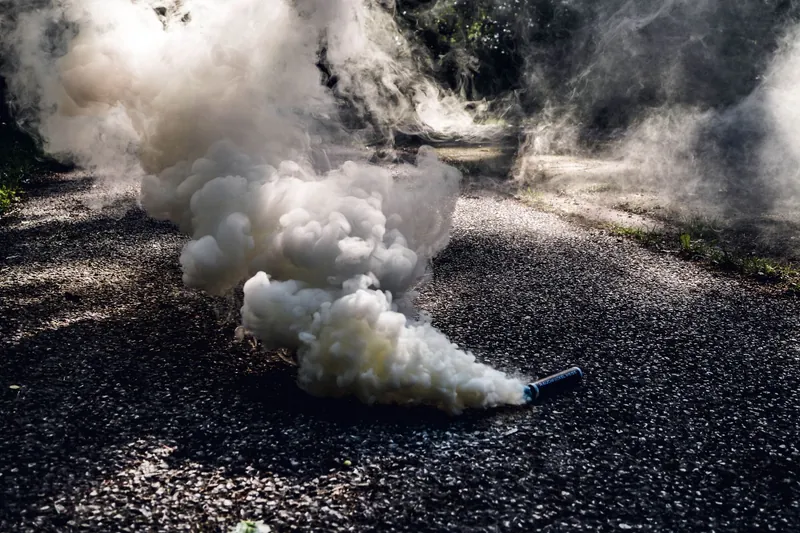
Residue from tear gas and pepper spray is cleaned after police action or self-defense.
See tear gas and pepper spray cleanup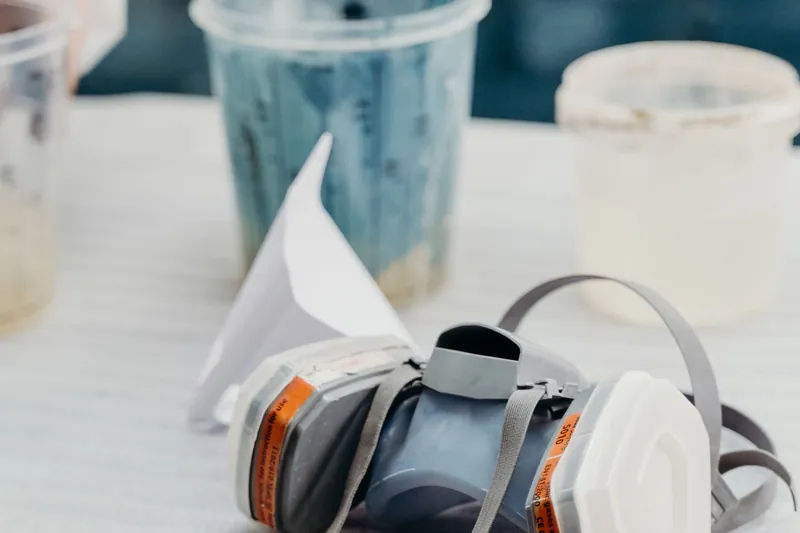
Meth lab cleanup with residue testing, decontamination and clearance steps.
See meth lab cleanup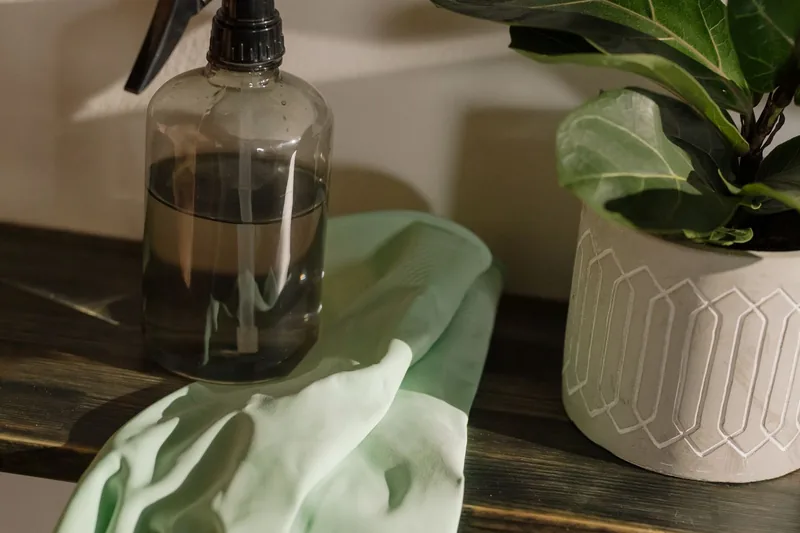
Rooms, vehicles and exposed surfaces receive decontamination following fentanyl exposure.
See fentanyl decontamination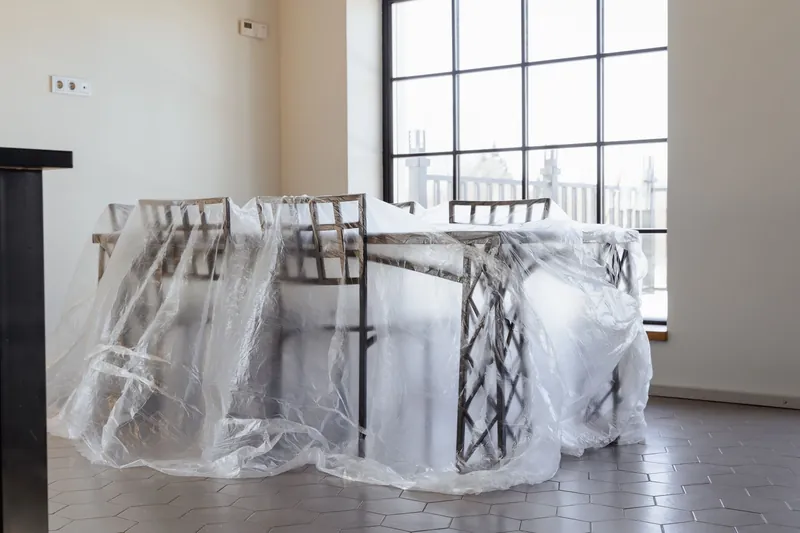
Grow house cleanup of mold, chemicals and damage left by indoor growing.
See marijuana grow house cleanup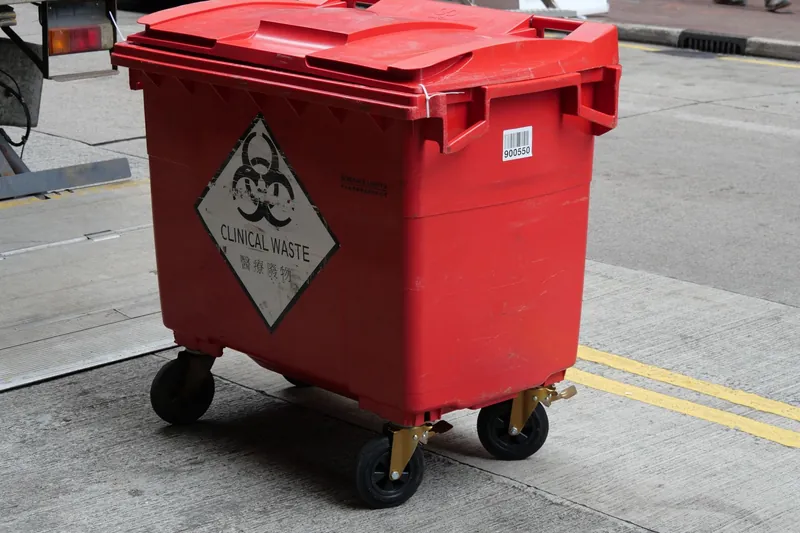
Medical waste removal and disposal through approved treatment facilities.
See medical waste removal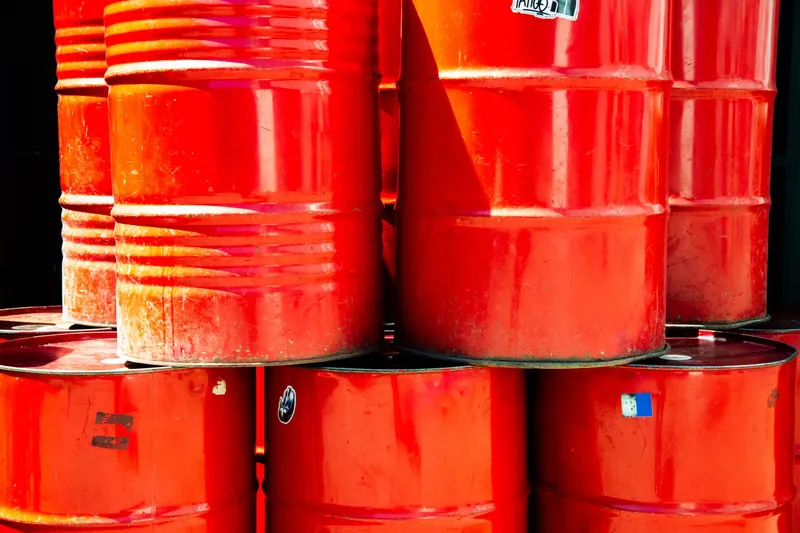
Pickup and disposal of biohazard waste use containers that are sealed and labeled.
See biohazard waste disposal
Vehicle biohazard cleanup for cars, trucks, boats and RVs.
See vehicle biohazard cleanupSome biohazard cleanup teams can perform chemical cleanup, depending on material type, volume and needed protective equipment. Ask a clear question that names both the chemical and type of property. An active release with fumes, fire, a reaction or illness needs emergency response before a cleanup service enters.
Urine falls under bodily fluid contamination. When accumulation is extensive or long-lasting, it can create a sharp ammonia-like odor and damage porous material. A hazardous reaction may occur if you apply bleach or another product before identifying everything present. Rather than hiding odor, remove contaminated porous material and the source, and clean with compatible products.
This wording can mean a car contains bodily fluids, a chemical hazard or a combination. It does not identify the substance or prove the extent of damage. Have contaminated padding, air pathways, carpet and trim inspected and examine the cleanup and event records before using or purchasing the vehicle.
No ordinary cleaner is safe for every unknown chemical. Keep everyone, including animals, out of the area, avoid direct contact and close smelling, and never apply another product, water or bleach. If there are fumes, heat, smoke, a reaction or symptoms, leave the area and call emergency services.
How the material escaped and what the policy says determine the answer. Sudden accidental damage may be treated differently from gradual leaks, excluded pollutants or improper storage. Tell the insurance company about the event, save labels and photographs when doing so is safe, and confirm coverage for cleanup, disposal, damaged contents and restoration.
You should not seek a chemical to break down feces. Using appropriate protective equipment, take away solid waste and follow with cleaning and disinfection on compatible materials. Bleach must never be mixed with ammonia or a different cleaning chemical. Professional cleanup is safer for widespread or dried waste, material combined with chemicals, and contamination absorbed by floors or drywall.
You can request respectful, discreet chemical and toxic waste cleanup 24 hours a day, and crews use unmarked vehicles.